
By introducing 21 stoma-friendly toilets across its campuses, the University is taking action to remove barriers that can prevent people living with a stoma from feeling confident, independent and included in everyday university life.
For many people living with a stoma, something as routine as using a public toilet can be a source of anxiety. Without somewhere clean to lay out medical supplies, a mirror to check or change an appliance, and a suitable bin for disposal, managing a stoma away from home can be difficult – affecting people’s confidence, independence and willingness to go out.
A stoma is created through surgery to divert waste from the body into an external pouch. A colostomy is one type of stoma, created by bringing part of the large bowel to the surface of the abdomen. Stomas can be temporary or permanent and may be needed following treatment for conditions including bowel cancer, bladder cancer and inflammatory bowel disease.
Around one in every 335 people in the UK is living with a stoma, and estimates suggest the number of people living with a stoma in the UK has almost doubled over the past decade, rising from around 100,000 in 2010 to between 176,000 and 205,000 in 2023. For years, stomas were rarely spoken about openly and often surrounded by stigma and misunderstanding. But public figures including broadcaster Adele Roberts, artist Tracey Emin and reality TV personality Louise Thompson have helped bring greater visibility to life with a stoma.
Yet greater visibility has not removed the practical barriers people continue to face. Accessible toilets do not necessarily have the features needed to change or empty an appliance comfortably, meaning people can still face uncertainty about whether they’ll be able to manage their condition when away from home.
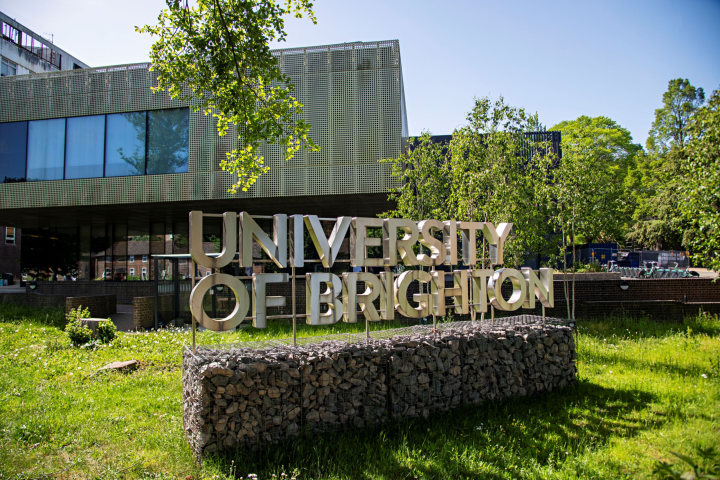
Now, the University of Brighton is introducing 21 stoma-friendly toilets across its three campuses, adapting existing accessible facilities to better meet these needs and help ensure people living with a stoma can access university life with greater confidence and independence.
The facilities, comprising eight toilets at Falmer, eight at Moulsecoomb and five at City campus, include additions such as hooks for clothing and bags, shelves for stoma supplies, mirrors and dedicated waste bins.
Importantly, the adaptations demonstrate how relatively simple changes to existing facilities can make a significant difference to people’s everyday experiences. The improvements have been delivered at modest cost, with individual toilets receiving the additions needed to meet the requirements.
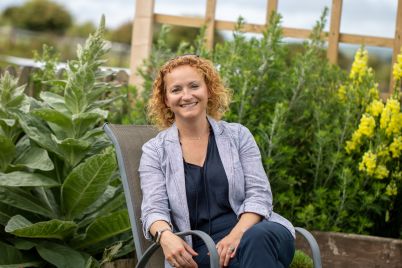
The initiative was spearheaded by University of Brighton Employee Communications and Engagement Officer Abigail Sanderson, who drew on her own experience of living with a stoma to champion improvements to campus facilities.
Following surgery, Abigail experienced first-hand the challenges of managing a stoma away from home and the impact this could have on her confidence and independence. She wanted to make sure others living with a stoma had access to facilities that could make everyday life a little easier.

Abigail said: “Getting a stoma changed my life. Suddenly, there were so many things to think about that I’d never had to before, from carrying medical supplies everywhere to always knowing where the nearest facilities are in case I need to change my bag or deal with an accident.
“Having a dedicated space with simple things like a shelf, a hook and a mirror takes away a lot of that anxiety. For a long time after my surgery, I didn’t want to leave the house because I was worried about how I’d manage if something went wrong. It also knocked my confidence. I’d always seen myself as strong and healthy, and adjusting to life with a stoma was a huge change.
“Knowing that my employer and colleagues care enough to put these facilities in place means the world to me. It’s not just about making things more practical. It makes me feel supported, included and much more confident about coming into work.”
Donna Whitehead, Vice-Chancellor of the University of Brighton, said: “Inclusion must be something people can feel in their everyday experience of university life. It means creating an environment where everyone feels they belong, where their needs are recognised and where they can participate fully, with confidence and dignity.
“We have a responsibility to look at the barriers people face and take meaningful action to remove them. No one should feel that they have to compromise their independence, miss out on opportunities or think twice about coming onto campus because the facilities they need aren’t available.
“I’m incredibly proud that we’re making these changes at Brighton. They reflect the kind of university we want to be: one that listens to its community, recognises that people’s experiences and needs are different, and puts inclusion into practice through meaningful action.”
The University has worked with Colostomy UK, a charity that provides information and support for people living with a stoma and campaigns to improve access to suitable toilet facilities. The charity has supported the initiative by providing signage to help identify the facilities.
Giovanni Cinque, Marketing & Campaigns Manager of Colostomy UK, said: “Having access to suitable toilet facilities can make an enormous difference to someone living with a stoma. Something as simple as a shelf, hook, mirror and suitable disposal bin can help people manage their stoma safely, comfortably and with dignity.
“We’re delighted that the University of Brighton is taking steps to make its facilities more stoma-friendly. It’s particularly important in a university environment, where students, staff and visitors should all feel confident that their needs are understood and accommodated. We hope this encourages other universities to follow Brighton’s example.”
The adaptations are a practical step towards making the University’s campuses more accessible for people living with a stoma, helping to remove some of the everyday challenges they can face when away from home.
Donna Whitehead, Vice-Chancellor of the University of Brighton, said: “I hope this will also encourage other universities to look at their own facilities and consider what more they can do. Sometimes relatively small changes can make an enormous difference to someone’s sense of confidence, belonging and independence. That’s something we should all be striving for.”