
A leading figure in Britain’s whisky cask trade has called on the Prime Minister to use his first Budget to bring transparency and proportionate regulation to the sector.
The warning comes because consumers who buy maturing casks as an investment currently fall outside almost every protection they would take for granted elsewhere.
Alphie Valentine, co-founder of London-based whisky investment specialist Hackstons, said the whisky cask market operates almost entirely without regulatory oversight, leaving buyers exposed when firms fail, mislead or operate fraudulently.
“Most people in my position lobby the government for less regulation – I’m asking for more,” said Valentine. “The firms doing this properly have nothing to fear from transparency and everything to gain from it. Right now it is difficult for a consumer to tell the difference between a serious operator and a confident salesperson with a website.”
Unlike shares, funds or pensions, a whisky cask is treated in law as a physical “wasting asset” rather than a regulated financial product. As a result, cask sellers do not require authorisation from the Financial Conduct Authority (FCA), and buyers are not covered by the Financial Services Compensation Scheme or the Financial Ombudsman Service if a company collapses or acts fraudulently.
The gap has drawn growing scrutiny. The BBC has investigated cask investment scams, the Advertising Standards Authority has repeatedly ruled against firms promoting exaggerated or “guaranteed” returns, and in 2025 one of the sector’s best-known operators collapsed, reportedly leaving thousands of ordinary investors nursing losses.
“Every one of those stories does two kinds of damage,” said Valentine. “It devastates real families, and it tars the honest and transparent operators with the same brush. Transparency is the one thing that separates a genuine cask business from a scam – proof the cask exists, that it’s held in your name, a clear picture of every fee and advice on the risks you must consider and length of hold required to make profit. The law requires none of that today. It should. I know firsthand what it is like to work for a company that is unregulated and through no fault of your own, when appropriate measures aren’t in place, multiple people are affected.”

Valentine set out four measures he would like the government to consider in the Budget:
- Proportionate oversight – bringing cask investment within a sensible regulatory perimeter, whether through the FCA or a dedicated licensing regime for cask sellers.
- Mandatory transparency – verifiable proof of ownership in the buyer’s name, independent warehouse confirmation, plain-English disclosure of all fees and exit costs, and an end to unsubstantiated return projections.
- An accredited register – a public list or recognised kitemark so first-time buyers can quickly identify legitimate operators.
- Backing the sector as industrial strategy – recognising cask whisky as a high-value British export that supports skilled jobs in Scotland and across the regions.
“The Prime Minister has pledged to move power and money out of Westminster and into every part of the country,” said Valentine. “Cask whisky is exactly that – value created in Scotland and the regions, owned by people the length and breadth of Britain. Protecting the people who invest in it isn’t anti-business; it’s pro-consumer, pro-growth and good for the Exchequer.”
“In his first Budget, I’d urge the Prime Minister to back the people who love whisky and the industry that makes it,” Valentine added. “The good operators aren’t resisting reform. We’re the ones asking for it.”

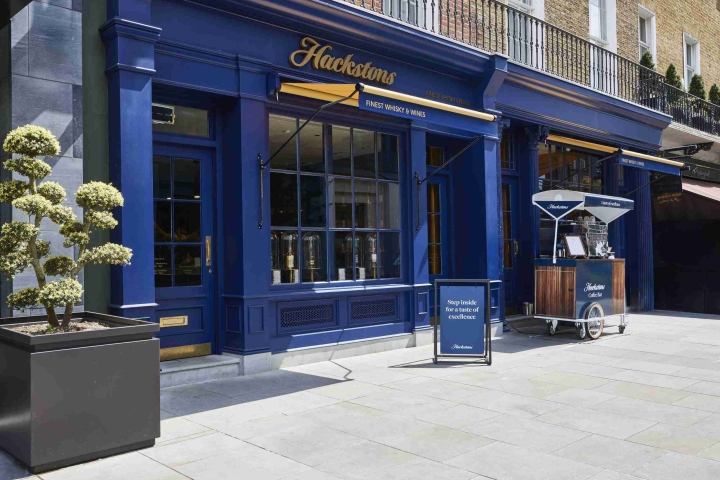
Alphie Valentine, co-founder of award-winning luxury retail store and whisky investment specialist Hackstons, urges the Prime Minister to introduce transparency standards and proportionate oversight to protect consumers in one of Britain’s least protected markets