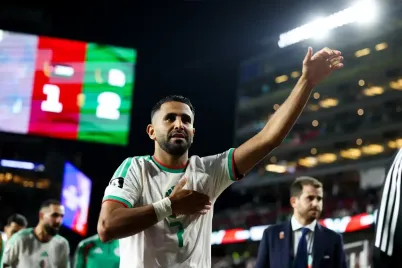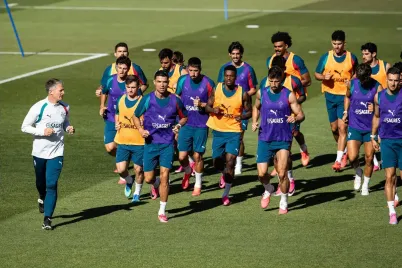

The unrelenting pressure of knockout football continues to grip the 2026 FIFA World Cup as the tournament narrows down its remaining contenders. Moving into the prestigious Round of 16, a fascinating cross-continental encounter awaits in Texas. On Saturday, 4 July 2026, Canada will lock horns with Morocco beneath the vast roof of the Houston Stadium. Scheduled for an 18:00 BST kick-off, this high-stakes fixture presents an enthralling collision of differing expectations, historical burdens, and tactical identities. For the victors, a coveted place in the final eight and a step closer to sporting immortality beckons; for the defeated, an immediate and abrupt departure from the global stage.
Canada’s Uncharted Territory
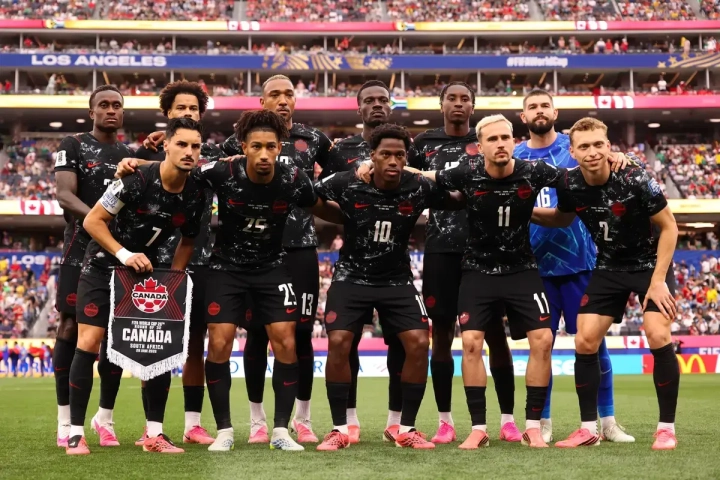
Breaking new ground has become a defining characteristic of this North American outfit over the past month. For the first time in their entire footballing history, the Canucks have navigated their way out of the group stage and into the Round of 16 of a World Cup. Under the meticulous stewardship of head coach Jesse Marsch, the squad has embraced a highly pragmatic, yet undeniably effective approach to tournament football. Unburdened by historical expectations, they are currently enjoying their best-ever run on the global stage, playing with a liberating sense of freedom that has repeatedly frustrated more illustrious and heavily favoured opponents.
Their progression from the Round of 32 perfectly encapsulated this newfound tactical maturity. Facing a spirited South African side in California, Marsch’s men demonstrated immense discipline to secure a gritty 1-0 victory. Rather than attempting to dominate possession, they comfortably absorbed pressure and struck with clinical precision when the opportunity arose. This reliable blueprint of defensive solidity, coupled with opportunistic, rapid transitions, has proven incredibly successful. Goalkeeper Maxime Crépeau has been a vital, calming presence between the posts, while a resolute backline featuring Moïse Bombito, Derek Cornelius, and Alistair Johnston has consistently denied crucial space to opposition attackers throughout the tournament.
Morocco’s Relentless Momentum
Operating on an entirely different spectrum of sporting expectation, the Atlas Lions arrive in Houston carrying the immense weight of their recent pedigree. Having famously reached the semi-finals in Qatar four years ago, they are no longer viewed as plucky underdogs or surprise packages. Currently ranked sixth in the world and boasting a staggering 36-game unbeaten streak stretching back to 2024, they entered this North American tournament as genuine, undisputed contenders for the ultimate prize.
However, their route to the last sixteen has been anything but straightforward. Now managed by Mohamed Ouahbi, the North African heavyweights were pushed to their absolute physical and mental limits in the previous round. Squaring off against a talented Netherlands side, they found themselves trailing deep into the match before a dramatic 91st-minute equaliser from central defender Issa Diop salvaged their hopes and fundamentally shifted the momentum. Forced into an exhausting period of extra time, they ultimately triumphed 3-2 in a fiercely contested penalty shootout. That grueling encounter served as a testament to their psychological resilience, yet it also highlighted potential defensive vulnerabilities that their upcoming opponents will be eager to meticulously exploit.
The Tactical Battleground and Key Matchups
Strategically, Saturday’s clash promises a fascinating game of chess between Marsch and Ouahbi. The tactical dynamic is relatively straightforward to anticipate: the African side will likely dominate possession and attempt to carefully pick the lock, while their North American adversaries will remain highly compact and look to spring devastating counter-attacks.
The creative heartbeat of the Moroccan side runs seamlessly through the central midfield. The intricate playmaking of Azzedine Ounahi and Bilal El Khannouss, supported by the roaming brilliance of Brahim Diaz, ensures they constantly dictate the tempo. Their collective ability to weave through congested central areas will test the Canadian defensive block to its absolute limits. Furthermore, the overlapping attacking threat provided by elite full-backs Achraf Hakimi and Noussair Mazraoui offers a constant source of width and dangerous service into the penalty area, requiring constant vigilance from the Canadian wide players.
To counter this overwhelming possession, Canada must aggressively restrict space in the middle third and immediately force turnovers. The central midfield zone will be heavily contested, with the North Americans relying heavily upon the industrious Stephen Eustáquio to disrupt the passing rhythms of the opposition. Eustáquio’s ability to intercept possession and immediately launch vertical passes will be crucial to bypassing the aggressive Moroccan press.
When possession is successfully regained, the blistering pace of Alphonso Davies and Tajon Buchanan on the flanks will act as their primary offensive weapon. Marsch faces a notable selection dilemma in the attacking department, deliberating over whether to deploy the physical presence of veteran Cyle Larin or retain the industrious movement of Tani Oluwaseyi alongside attacking talisman Jonathan David.
Team News and Physical Conditioning
At this incredibly punishing stage of a major international summer tournament, physical endurance, hydration, and medical recovery become paramount factors for success. Both medical departments have been working tirelessly behind the scenes in their respective base camps to ensure optimal readiness for the weekend. Fortunately for the neutral spectator, neither manager has reported any verified, major injury concerns stemming from their Round of 32 exertions, nor are there any crucial players suspended for the accumulation of yellow cards.
Nevertheless, cumulative fatigue may heavily influence team selection and in-game management. The Moroccans were forced to endure a punishing 120 minutes of high-intensity football against the Dutch, leaving them with one fewer day of recovery compared to their upcoming opponents.
Marsch, conversely, enjoys the distinct luxury of a squad that completed their previous assignment safely within regulation time. This potentially affords the Canadian side a marginal physical advantage heading into the grueling afternoon heat of Texas, a factor that could prove entirely decisive in the latter stages of the second half.
Historical Echoes and Tournament Stakes
While Saturday’s match stands independently as a massive sporting occasion, it is impossible to ignore the historical echoes reverberating between the two fiercely competitive camps. This fixture represents a direct, highly anticipated rematch of their 2022 World Cup group stage encounter in Qatar.
For the team dressed in red, stepping out onto the immaculate Houston pitch represents an unprecedented opportunity to permanently shed their underdog status and announce themselves as a genuine, lasting force on the world stage. Advancing to the quarter-finals would represent a monumental sporting achievement that would undoubtedly galvanise footballing development and inspire a new generation across their home nation.
For their opponents, however, the pressure is entirely different and arguably far heavier. Driven by an incredibly passionate global fan base and a profound sense of destiny, anything less than a quarter-final appearance would be universally viewed as a bitter disappointment. They are acutely aware that a victory not only miraculously extends their remarkable unbeaten streak to 37 consecutive matches but also safely keeps their dreams of ultimate global supremacy alive.
With potential tournament heavyweights such as France looming ominously in the final eight, neither side can afford to look past the immediate, monumental challenge that awaits in Texas. The stage is perfectly set. The architectural marvel of the Houston Stadium will provide a fittingly grandiose backdrop as two entirely contrasting footballing philosophies violently collide. Every challenge will carry immense weight, every defensive lapse will be heavily magnified, and every fleeting moment of individual brilliance could permanently define a generation. One exceptionally talented squad will prolong their North American dream, while the other will be left to tragically face the crushing despair of elimination. The world watches on with bated breath.