
Brighton-based private medical practice Flint Healthcare is seeking to help everyone banish the so-called “January Blues” with their latest mental health guide to help everyone face what can be a particularly challenging time of year.
The clinic points to how many of us experience a dip in mood, energy and motivation during the colder, darker months. Shorter days, disrupted routines and the pressure to feel positive after the festive period can all take their toll, even on those who usually cope well. The January mental health survival guide aims to explain why this time of year can feel so heavy and to offer evidence based ways of easing some of that strain.
Written by Consultant Psychiatrist Dr Richard Bowskill, the January mental health survival guide draws on years of clinical experience supporting people with a wide range of mental health concerns. Rather than offering quick fixes or dramatic New Year changes, it focuses on small, realistic steps that can genuinely help during winter.
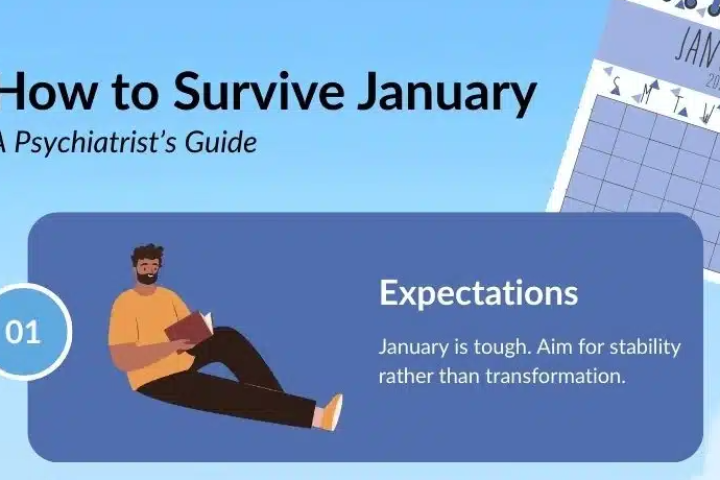
Alongside the written guidance, Flint Healthcare has released a clear, shareable infographic that highlights the main points in a practical and accessible way.
Everyday areas are the main focus, including managing expectations at the start of the year, making better use of daylight, protecting sleep and keeping movement gentle and manageable. It also looks at alcohol use, staying socially connected and recognising when it might be time to seek professional support.
Speaking about the guide, Dr Bowskill said: “January can feel particularly heavy for many people, even those who usually cope well. This guide isn’t about forcing positivity or major lifestyle changes. It’s about understanding why this time of year feels difficult and focusing on small, steady actions that genuinely support mental health.”
Flint Healthcare hopes the January mental health survival guide will help normalise winter struggles and encourage people to take care of their mental wellbeing early, rather than waiting until things feel overwhelming.
A key message is the importance of resetting expectations. Feeling slower, flatter or less driven at this time of year is presented as a normal response to environmental and social factors, not a personal shortcoming. The emphasis is on maintaining stability and being kinder to yourself, rather than chasing transformation.
Daylight is highlighted as a powerful influence on mood, energy and sleep. The guide encourages people to be intentional about getting outside or sitting near windows during daylight hours, even when the weather is dull.
Sleep is described as one of the strongest foundations of mental health, yet one that is easily disrupted in winter. Keeping routines steady, waking at a consistent time and allowing evenings to wind down gradually are suggested as ways to support better rest.
When it comes to movement, the guide takes a gentle approach. Instead of ambitious fitness targets, it recommends regular, manageable activity such as short walks, which can still make a meaningful difference to mood and energy levels.
Alcohol is addressed in a similarly balanced way. The guide encourages people to notice how drinking affects their sleep and mood, suggesting that even small reductions can improve resilience over time.
Staying connected with others is also highlighted as protective. The January mental health survival guide notes that simple, predictable contact can help counter low mood, without the pressure of constant socialising.
Finally, the guide reminds readers to seek professional help if low mood or anxiety persists, worsens or starts to interfere with daily life. Early support, it notes, can make a significant difference.
Flint Healthcare says the overall message is simple. January does not need to be fixed or conquered. Moving slowly, protecting energy and focusing on small, steady actions can be enough.