
A University of Gloucestershire environmental psychologist has helped evaluate the impact of a nationwide campaign that has so far brought around 185,000 people together to discuss climate change and nature loss.
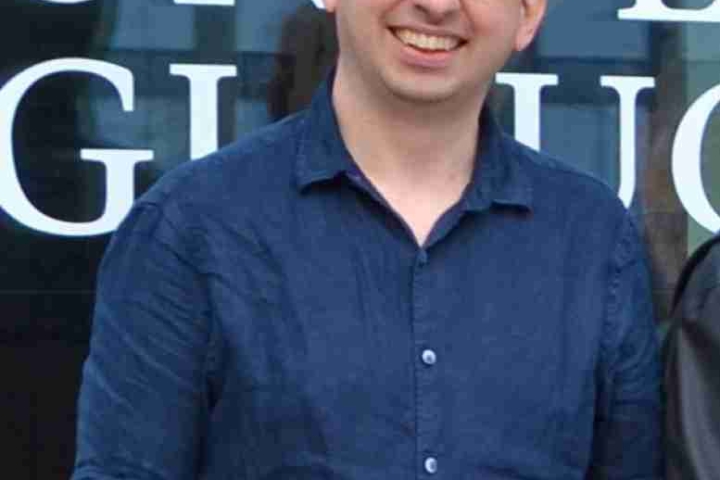
Dr Richard Clarke, Senior Lecturer in Health and Environmental Psychology at the University, collaborated with the Centre for Climate Change and Social Transformations (CAST) to assess the impact of the National Emergency Briefing campaign.
The campaign was launched to inform politicians and the public about the climate and nature crisis, and to build support for a Government-led televised briefing by independent experts.
As part of the campaign, organisers have hosted more than 3,400 public screenings of the People’s Emergency Briefing across 550 constituencies, with events continuing to take place across the UK. The 50-minute film combining expert evidence presented at Westminster with public reactions and commentary from naturalist and broadcaster Chris Packham.
Organisers estimate that around 185,000 people have attended screenings across the UK so far, where audiences are encouraged to discuss the film and what climate and nature risks could mean for their communities.
To evaluate its impact, researchers analysed responses from around 8,700 people who completed surveys before and after watching the film.
Dr Clarke said: “This was a unique opportunity to study a new form of public communication around climate change and nature loss. The campaign is unusual because the film is purposefully not available online. Instead, it is shown at in-person screenings, where people watch it as a shared experience and organisers facilitate discussion afterwards about what the issues mean for their own communities.
“That is important because the campaign is not asking people simply to stream the film alone and think, ‘Isn’t climate change awful?’ By bringing people together, it gives them a chance to sit with the emotions that climate change brings up, talk them through with others, and begin to turn those feelings into meaningful collective action.”
The CAST briefing found that attending a screening appeared to increase both concern and motivation, even though many attendees were already highly worried about climate change and nature loss. After watching the film, 89% of respondents said they felt more informed, while 87% said they felt more motivated to act.
Extreme worry about climate change rose from 68% before the film to 83% afterwards, and for nature loss from 68% to 80%. Attendees were more likely to see climate and nature risks as likely to significantly affect everyday life in the UK over the next 10 years, including food prices, health, energy bills and national security.
Dr Clarke said: “So much climate communication ends up focused on what individuals should buy, stop doing, or change in their own homes. This campaign is different. It asks people to come together, talk about what climate risk means for their own communities, and consider what meaningful collective action could look like. This research demonstrates the effectiveness of such a framing.”
The evaluation supports previous research suggesting that discussion and deliberation can play an important role in climate engagement. People who spent extra time at events after the film were more likely to say they intended to contact political representatives, talk to others about climate and nature, or get involved locally. Intention to contact a political representative rose from 59% to 74% among those surveyed more than two hours after the event began.
The briefing found notable results around ‘hope’. While 57% of respondents said they felt more hopeful after watching the film, increased motivation did not depend entirely on increased hope. Among those who felt less hopeful after the film, 80% still said they felt more motivated to act.
Dr Clarke said: “There is often a lot of emphasis on ‘hope’ in climate communication, and hope is important, but these findings suggest something more nuanced. Even when people felt less hopeful, many still felt more informed, more concerned and more motivated to act.
“That suggests people do not need climate communication to look away from frightening realities. They need help to make sense of those realities, understand how they connect to everyday life, and see credible ways to respond alongside others.”
At a national scale, the research found an association between local screenings and wider political engagement. Constituencies with more screenings tended to have higher petition signature rates and greater likelihood of MPs signing the campaign’s Parliamentary Call.
Dr Clarke said: “This is the most hopeful I have felt about the climate movement in a long time. It is easy for climate change and nature loss to feel too big, too frightening, or too distant for people to act on.
“But around 185,000 people have now been willing to leave their homes, sit with the reality of the situation, and talk with others about what can be done. That can only be a good thing.”