
The 2026 FIFA World Cup culminated in a spectacle of gripping tactical attrition and eventual Spanish triumph on Sunday evening, but the narrative surrounding the showpiece final has rapidly devolved into a bitter disciplinary inquest. Following Spain’s hard-fought 1-0 extra-time victory over defending champions Argentina at the New York New Jersey Stadium, chaotic and violent scenes erupted on the pitch. Rather than the global headlines focusing entirely on Ferran Torres’s dramatic 106th-minute winner or Lamine Yamal’s coronation, the footballing world has been forced to dissect a deeply unsavoury post-match brawl.
World football’s governing body, FIFA, has now officially intervened. On Monday, the organisation confirmed that its Disciplinary Committee has appointed a Disciplinary and Ethics Prosecutor to thoroughly investigate potential breaches of the FIFA Disciplinary Code (FDC) regarding the altercations. With multiple Argentina players facing the genuine threat of severe retrospective bans, and the Argentine Football Association (AFA) staring down massive financial penalties, the fallout from the 2026 final threatens to cast a long, dark shadow over the South American giants.
The Final Whistle: Frustration Boils Over
To comprehend the sheer volatility of the post-match melee, one must acknowledge the intense, emotionally draining nature of the 120 minutes that preceded it. Argentina, desperate to secure back-to-back global crowns in what was widely expected to be Lionel Messi’s final World Cup appearance, found themselves entirely suffocated by Luis de la Fuente’s possession-heavy Spanish machine. The physical toll was immense, and the reigning champions were reduced to ten men in the 93rd minute when Chelsea midfielder Enzo Fernández was dismissed for a second bookable offence.
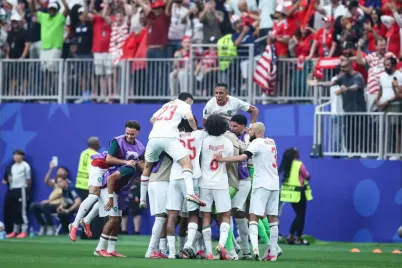
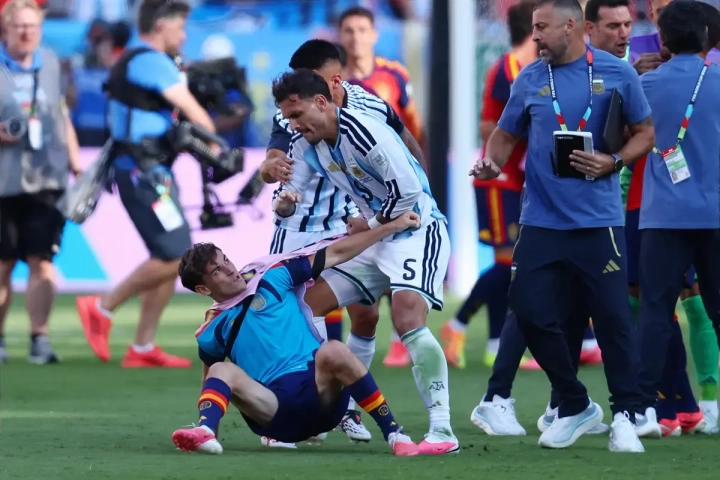
When referee Slavko Vinčić finally blew the whistle to signal the end of the marathon encounter, contrasting emotions violently collided on the halfway line. As the exhausted Spanish squad collapsed to the turf in unbridled jubilation, a significant contingent of the Argentine camp entirely lost their composure.
Video replays, which will now form the crux of the FIFA prosecutor’s evidence, paint a damning picture of the South American side’s reaction. Midfielder Leandro Paredes was prominently involved in the escalating scuffles. The Roma combatant was captured on camera appearing to grab Spain defender Eric García by the throat during a heated exchange. When 21-year-old Spanish substitute Gavi bravely attempted to intervene and separate the warring players, Paredes forcefully shoved the Barcelona midfielder to the ground.
The aggression was not isolated to a single incident. Elsewhere on the pitch, Spain’s metronomic captain and the tournament’s Golden Ball winner, Rodri, became a target. As Rodri ran past the Argentine players to join his celebrating teammates, defender Nahuel Molina appeared to deliberately strike him in the stomach. Molina then aggressively crowded the Spanish captain, who was subsequently subjected to a fierce verbal volley from veteran defender and former Manchester City teammate Nicolás Otamendi.
The situation threatened to spiral completely out of control before Argentina head coach Lionel Scaloni and several members of the backroom staff, including assistant Roberto Ayala, rushed onto the pitch in a frantic bid to de-escalate the hostilities and physically separate the furious sets of players.
The Red Card Confusion Clarified
In the immediate, chaotic aftermath of the brawl, widespread reports circulated through the global media suggesting that referee Vinčić had attempted to restore a semblance of order by showing Paredes a post-match red card.
However, FIFA has since issued a crucial clarification regarding the official match report. The governing body confirmed that while a red card may have been brandished in the heat of the moment, the dismissal was subsequently removed from the official administrative record. Consequently, no formal disciplinary action was recorded against Paredes on the pitch itself.
While this administrative quirk spares Paredes from an automatic one-match ban, it paradoxically places him in a far more precarious position. Because the incident was not formally dealt with by the match officials on the day, the newly appointed Disciplinary and Ethics Prosecutor possesses the ultimate jurisdiction to review the video evidence retrospectively. Should the prosecutor determine that Paredes committed an act of violent conduct, the resulting suspension could be significantly harsher than a standard one-match penalty.
A Striking Show of Disrespect on the Podium
The unsavoury scenes were not exclusively confined to physical altercations. As the dust settled and the official trophy presentation commenced, the Argentine squad made a collective decision that further highlighted a glaring lack of sportsmanship.
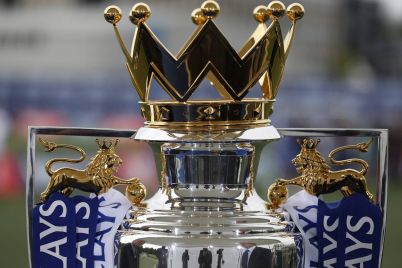
In keeping with the traditions of the sport, the victorious Spanish squad formed a respectful guard of honour, applauding the Argentine players as they ascended the steps to collect their runners-up medals. Yet, this gesture of goodwill was emphatically not reciprocated. When the moment arrived for Spain to lift the iconic golden trophy and celebrate their second star, the Argentina players deliberately stood on the pitch facing their own supporters, turning their backs entirely to the podium and the newly crowned champions.
While not explicitly a breach of the disciplinary code in the same manner as physical violence, this highly unusual and deeply disrespectful display will undoubtedly be noted by FIFA officials. It compounds the narrative of an Argentine squad that fundamentally failed to process their defeat with any degree of grace or professionalism.
FIFA’s Article 36 Intervention
The official statement from FIFA headquarters in Zurich left no room for ambiguity regarding the severity with which they are treating the incidents.
“Following an assessment of the relevant match reports for the FIFA World Cup final between Spain and Argentina, and in line with article 36 of the FIFA Disciplinary Code (FDC), the FIFA Disciplinary Committee has appointed a Disciplinary and Ethics Prosecutor to investigate potential breaches of the FDC with regard to the post-match incidents,” the statement read.
The governing body confirmed that further details would only be communicated once the prosecutor’s comprehensive report has been completed, offering no specific timeframe for the conclusion of the investigation. However, historical precedent suggests that the wheels of FIFA’s disciplinary mechanism, once set in motion, move with deliberate and punishing intent.
A Compounding Disciplinary Nightmare
The fallout from Sunday’s final represents a compounding nightmare for the Argentine Football Association (AFA), which is already navigating a separate, highly sensitive FIFA investigation from earlier in the tournament.
Just days prior to the final, following their dramatic semi-final victory over England in Atlanta, Argentine players were pictured celebrating on the pitch with a banner reading “Las Malvinas son Argentinas” (The Falkland Islands are Argentine). The overtly political banner, smuggled into the stadium by supporters and subsequently paraded by the players, represents a direct contravention of FIFA regulations, which strictly prohibit the transmission of political messages during sanctioned sporting events.
The AFA has previous history regarding this exact offence; they were fined £20,000 in 2014 for displaying an identical banner prior to a friendly against Slovenia. With the two investigations now running concurrently, the cumulative punishment could be unprecedented.
While the AFA braces for what is expected to be a monumental series of financial penalties, the immediate concern for Lionel Scaloni lies with his playing squad. With Paredes, Molina, and potentially Otamendi facing retrospective bans for violent conduct, alongside Enzo Fernández’s mandatory suspension for his red card, the core of Argentina’s team could be decimated ahead of the upcoming South American World Cup qualification fixtures.
The Legacy of the Final
Major international finals are universally expected to be fiercely contested battles, where the sheer weight of national expectation pushes players to the absolute extremities of their physical and mental endurance. Spain’s victory was a testament to their exceptional tactical discipline and their ability to maintain their composure under immense duress.
Unfortunately for Argentina, their legacy from the 2026 World Cup will be permanently scarred by the events that transpired after the final whistle. By failing to accept defeat with dignity, a squad featuring some of the most celebrated talents of their generation has invited a wave of global condemnation. As the footballing world awaits the final verdict from FIFA’s Disciplinary and Ethics Prosecutor, the bitter aftertaste of the New Jersey brawl serves as a stark reminder that true greatness in sport is measured not just in victory, but in the grace with which one handles defeat.