
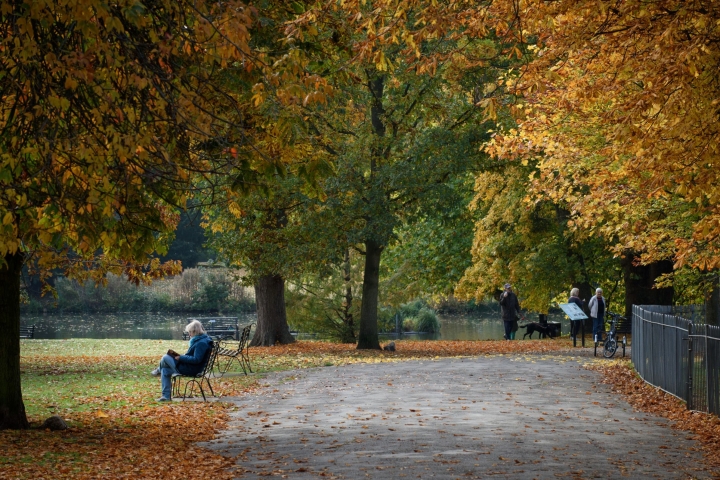
University of Gloucestershire (UoG) researchers have unveiled an ambitious new project to chart Bristol’s most restorative urban hideaways – the spaces that genuinely soothe, restore and provide respite from sensory overload.
The Bristol Quiet Areas Plan will explore how neurodivergent adults and wider communities experience quiet, cool, accessible and nature-rich pockets of the city. The project will tackle the question of what exactly makes an urban space feel restorative – and how Bristol can accommodate these requirements to enhance these areas.
Working with Disability.Inc (WECIL) and Visit West and joined by international collaborators Hush City and Tranquil City, UoG researchers will map the city’s most inclusive calm zones, focusing on three pilot sites.
The initiative builds on the long-standing Bristol Soundwalks, a citizen-led movement inviting people to listen to, map and reflect on urban soundscapes. This next chapter goes further: through participatory soundwalks, co-creation workshops, accessibility audits and digital mapping, the team will identify the urban spaces that offer refuge from heat, noise and sensory stress. The areas will also be aligned with nature, biodiversity and climate resilience priorities.
Using the Hush City App and open data mapping, researchers and participants will capture insights connecting accessibility, sound, green infrastructure and wellbeing. The Quiet Areas identified will include parks, riversides, shaded seating areas, tranquil courtyards and leafy streets – places where sounds soften, temperatures drop and overstimulation fades.
The findings will help inform Bristol City Council’s future work on accessibility, nature, recovery and health, supporting the city’s One City Plan and Climate Ecological Emergency ambitions.
The resulting Quiet Areas Map will sit on Visit West’s Accessibility Hub, helping residents and visitors navigate towards calm places. These interventions can significantly boost people’s confidence, independence and desire to travel.
Available both digitally and in downloadable formats, the Map will spotlight three exemplar spaces and create a transferable model for wider mapping across Bristol and the region. By combining lived experience with environmental data, the project seeks to establish a robust framework for identifying, valuing and protecting restorative spaces that benefit both people and wildlife.
Project leads Sarah Jones-Morris, Lecturer in Landscape Architecture and Co-Investigator, and Jamie Liversedge, Senior Lecturer in Landscape Architecture and Principal Investigator, said:
“Quietness is essential for everyone’s wellbeing. By mapping and celebrating Bristol’s accessible and tranquil spaces with those who need them most, we aim to contribute to making the city more inclusive, restorative, and nature positive.”
The project is funded by the Ecological Citizen(s) Network+ and runs from December 2025 to August 2026.