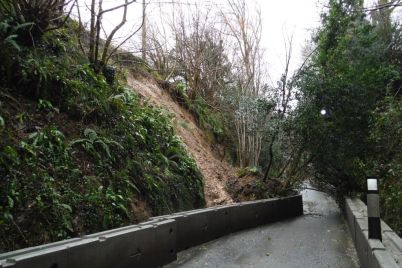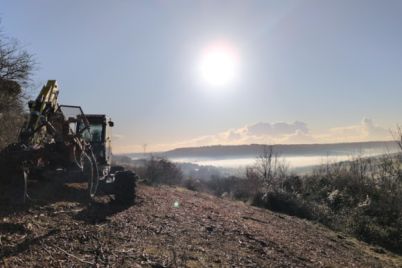

Cambridgeshire County Council is set to begin £2.1m of road reconstruction and resurfacing work on some of the county’s most peat soil affected routes. The projects will cover over 3.5km of roads across northern Cambridgeshire.
Work starts on Monday, 12 January, with a £550,000 scheme to rebuild 1km of Forty Foot Bank in Ramsey. On the same day, Coates Road in Coates will undergo resurfacing along just under 1km between The Fold and Minuet Gardens, at an estimated cost of £500,000. Later in January, a £1.1m project will begin to reconstruct 1.8km of Long Drove, Holme.
During these works, all three roads will be closed and diversion routes will be in place. The Forty Foot Bank and Long Drove schemes are expected to take up to six weeks, while Coates Road should be completed in approximately two weeks.
Reconstruction on peat soil affected roads requires digging down more than 40cm, recycling the existing material, and relaying it with layers of reinforcing grid to stabilise the road base before resurfacing.
Approximately 40% of Cambridgeshire is peatland, including much of Fenland and significant parts of Huntingdonshire and East Cambridgeshire. Roads built on this type of soil deteriorate quickly, with sinking and cracking, making maintenance more frequent and costly.
Councillor Alex Beckett, chair of Cambridgeshire County Council’s Highways and Transport Committee, said: “We allocated £56m in our last budget to continue the largest investment in Cambridgeshire’s roads for a decade and we’ve been working hard to rebuild, resurface and repair some of the most badly affected peat soil-based roads in the county.
“Peat soil shifts and moves around with seasonal changes – much more than other land – so we face more expensive highway works cost and road maintenance bills compared to other places. This affects people using our roads across the County as it means there’s less money overall to invest across the network and keep our roads up to standard. It’s why we wrote to government back in the autumn and called for a fairer funding model for highways – one that takes account of the unique challenges we encounter with peat soil in Cambridgeshire.”
Over the past year, 11km of peat soil affected roads have been reconstructed or resurfaced at a cost of £5.5m. Two £1m projects were completed in December 2025, including 2.5km of Hundred Foot Bank in Little Downham and 2.9km of Prickwillow Road between Prickwillow and Isleham.
Following work on Prickwillow Road, contractors moved to Great Fen Drove for a £1m reconstruction of 1.4km from Border Farm to near Chapel Lane, due to finish at the end of January.
Spring 2025 saw the completion of a £1.25m reconstruction of 1.8km of Chain Causeway from Sutton to Hundred Foot Road, alongside resurfacing of 2.3km of Benwick Road from Wype Road to Whittlesey at a cost of over £1.2m.
Cambridgeshire County Council will run a £1.5m trial in summer 2026 to identify the most effective methods for repairing roads affected by soil conditions. The trial will test innovative solutions developed with input from University of Cambridge academics.
Further large-scale works are planned for 2026 on peat soil affected roads including Sixteen Foot Bank, Chatteris; Floods Ferry Road, Doddington; Black Drove, Murrow; Harolds Bank, Gorefield; Wimblington Road, Manea; Straight Furlong, Pymoor; and Earith Road, Willingham.